
Mini Excavator Size and Transport: A Site Measurement Checklist
Measure access, working space and transport constraints. Distinguish model tonnage names from actual configured weight before requesting a mini excavator quotation.
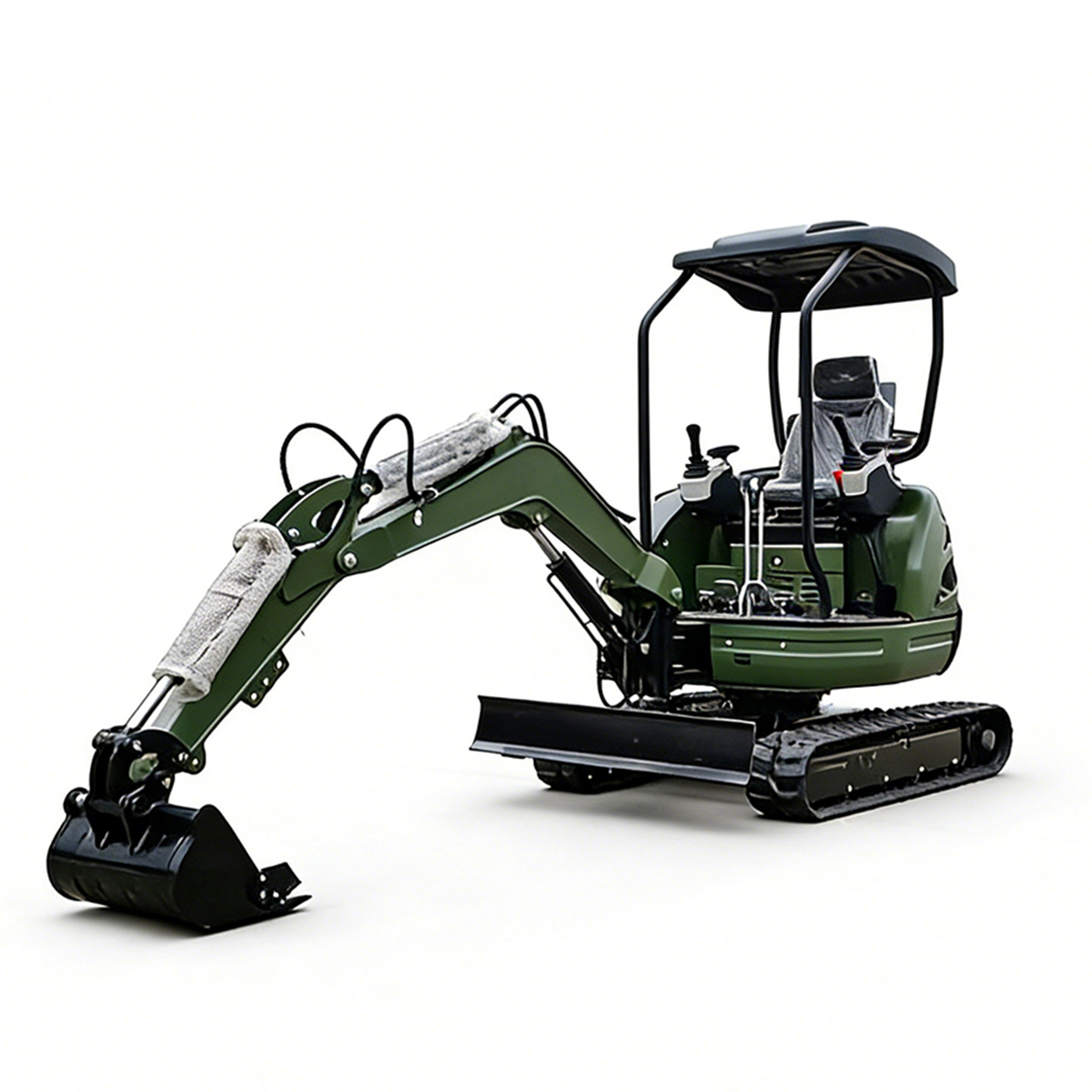
Record the complete access route
Do not measure only the main gate. Record each narrow passage, turn, low beam and ground condition between unloading and the work area. Mark clear width, height and turning space on photos taken safely. Measurements are more useful than describing a site as narrow.
Separate access dimensions from working dimensions
For a retractable undercarriage, check both retracted and extended dimensions. A canopy or cab may also change height. Passing through a gate does not establish clearance for the upper structure, boom or rear. Check operating position and stability requirements in the machine instructions.
Check digging reach against the task
State trench depth, width, working position and spoil placement. Maximum digging depth is a geometric value, not the depth available at every reach. Underground utilities, trench edges and slopes require competent site assessment; specifications do not replace a work plan.
Use actual configuration for transport planning
Request configured weight and transport dimensions, including buckets, breakers and other carried equipment. A 1.8T or 2.2T model name is not a substitute for confirmed machine weight. A qualified transporter should check vehicle payload, deck size, loading facilities, securing points and local road rules. Do not select a trailer from the model name alone.
What to send with your inquiry
Send the destination country, task, access measurements, required depth, attachment list and transport plan. We use these to discuss models and configurations and identify missing measurements rather than replace them with estimates.