
Mini Excavator YI-10: Wet Clay Bucket Clogging Guide
Troubleshoot wet clay bucket clogging with a practical YI-10 inspection workflow, configuration checks, and a purchasing checklist.
Updated:
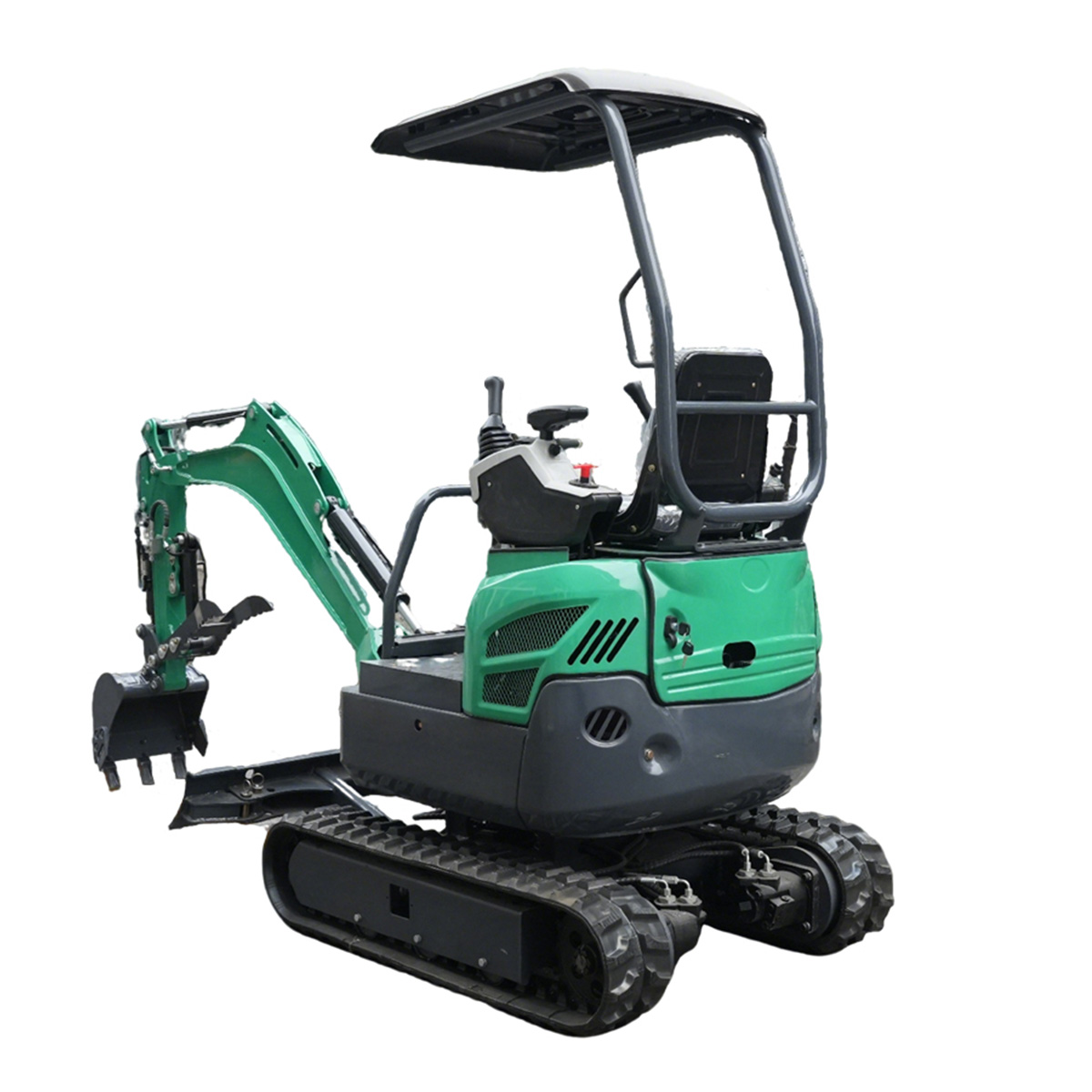
Start by Defining the Clogging Problem
When investigating a bucket that will not empty in wet clay, separate the visible symptom from the suspected cause. Avoid ordering a replacement bucket or requesting hydraulic adjustments before documenting what happens during digging, lifting, and discharge. For an overseas purchasing team evaluating the Mini Excavator YI-10, use this process to prepare a clear application brief for the factory.
Begin with a precise description: does material remain inside the bucket after opening, collect around the entrance during digging, or coincide with incomplete bucket movement? Investigate these observations separately rather than describing every unsuccessful cycle as a clogged bucket.
- Record the material: describe its visible moisture condition, consistency, and any stones, roots, or mixed debris.
- Record the operation: identify trenching, general excavation, grading, or loading, and describe the intended discharge location.
- Record the attachment: photograph the bucket interior, opening, cutting edge, mounting arrangement, and any existing damage.
- Record the symptom: capture a complete digging-and-emptying sequence from a safe position, including the material remaining afterward.
Before approaching the attachment for inspection or clearing, follow the applicable shutdown, isolation, and attachment-support instructions. Keep personnel outside the attachment working area, and do not reach into or strike a powered attachment.
Analyse Possible Causes Without Assuming a Diagnosis
Use the following categories as hypotheses to investigate, not as confirmed explanations for your machine. Keep the observations separate so that an engineer can distinguish a material-release question from an attachment-condition or machine-response question.
Material Retention Inside the Bucket
Does the bucket complete its opening movement while material remains against the internal surfaces? Does the remaining material form a similar shape after each discharge attempt? Photograph that pattern after safe shutdown and clearing preparation. Ask the factory to review whether the proposed bucket interior and profile suit the submitted material sample and working method.
Do not diagnose the problem from the word “clay” alone. Submit photographs of freshly excavated material and describe whether the same symptom appears elsewhere on the site. If comparing different material conditions, label each observation clearly rather than combining them into a single performance report.
Loading and Discharge Technique
Could the symptom depend on how the bucket enters the ground, how much material is collected, or where the operator attempts to empty it? Arrange an approved trial using a shallower cut and a less crowded bucket, then compare the discharge with the original method.
Observe the opening movement and the receiving area together. Ask whether the operator can complete the intended discharge movement without approaching an obstacle or exceeding the approved working arrangement. Do not compensate for poor release by repeated impact, aggressive shaking, or movements outside the operating instructions.
Attachment Condition or Abnormal Machine Response
Inspect for visible deformation, damaged edges, foreign material, and altered attachment components after safe isolation. Photograph anything unusual before requesting corrective work. Do not grind, weld, drill, or modify the bucket as an exploratory troubleshooting measure.
If the bucket fails to complete its movement, or if other functions also appear abnormal, stop treating the case as a material-only problem. Request an engineer-led inspection and provide the observed symptoms. Leave pressure checks, hydraulic adjustments, and component diagnosis to appropriately qualified personnel following the applicable service procedure.
Run a Controlled Troubleshooting Trial
Organise the trial around a written question: are you checking material release, operator technique, attachment suitability, or machine response? Agree on safe operating limits before starting. Avoid changing the bucket, operator method, material location, and discharge arrangement simultaneously.
- Document the starting condition. Record the installed bucket, visible attachment condition, material description, and operating arrangement. Obtain a clear view of the bucket interior before the trial.
- Observe the original method. Record digging, bucket filling, lifting, opening, and the remaining material. Ask the operator to describe any unusual response without attempting an improvised repair.
- Change an approved operating variable. For example, compare the original cut with a shallower cut while retaining the same attachment and discharge arrangement. Follow the machine's operating instructions throughout.
- Review the evidence. Compare retained material, completion of the opening movement, and any abnormal machine behaviour. Avoid judging the result only by how full the bucket looked before discharge.
- Escalate unresolved symptoms. Send the observations to the factory and request a recommended next check before replacing components or altering settings.
Use consistent descriptions such as “material remained near the rear of the bucket” or “opening movement stopped before the expected position.” Avoid unsupported conclusions such as “insufficient pressure” unless a qualified inspection has established that diagnosis.
If the site conditions change during the trial, record the change and reconsider the comparison. Do not present results from different materials or working arrangements as a controlled attachment comparison.
Select the Configuration Against the Official Product Data
For a YI-10 enquiry, ask the factory to confirm the relationship between the quoted machine designation and the official product specification being used. Use the official 1.0T page as the reference below, rather than importing specifications from another model or assuming that an unlisted attachment is included.
The official 1.0T product page lists an operating weight of 1000 kg and overall dimensions of 2500 mm in length, 940 mm in width, and 2200 mm in height. It lists a bucket capacity of 0.024 m³. The listed hydraulic working pressure is 22 MPa, and the maximum hydraulic flow is 25 L/min. The listed maximum digging depth is 1620 mm, and the dumping height is 1950 mm. The listed maximum digging radius is 2900 mm.
Use these published values as configuration references, not as a promise of wet-clay discharge performance. Ask the engineer to check the proposed digging position, discharge arrangement, access restrictions, and attachment against your actual application.
Confirm the Bucket Rather Than Selecting by Capacity Alone
Request a drawing or clear photographs of the proposed bucket. Ask for confirmation of its opening, internal profile, cutting arrangement, mounting interface, and compatibility with the quoted machine. Do not infer these details from the published bucket capacity.
If requesting a different bucket profile or a narrower attachment, ask the factory to confirm availability and suitability before including it in a purchase specification. Request an explanation of the proposed choice against your material description and trial evidence, rather than accepting an unsupported “clay bucket” label.
Compare Corrective Actions Before Changing Equipment
Use the comparison below to decide what evidence to collect and what to request next. Treat each action as a review path, not a guaranteed cure.
| Observed symptom | Suggested next check | Factory request | Avoid |
|---|---|---|---|
| Bucket opens, but material remains inside | Photograph the retained material pattern and compare an approved lighter fill | Review the bucket profile against the submitted material and operating method | Assuming a hydraulic fault from retained material alone |
| Clogging appears during bucket filling | Compare the original cut with an approved shallower cut | Review the digging method and proposed attachment | Changing several trial conditions together |
| Bucket movement appears incomplete | Record the movement and stop for technical review | Provide an inspection procedure appropriate to the symptom | Increasing hydraulic pressure experimentally |
| Discharge is restricted by the working arrangement | Document the receiving area and intended machine position | Review the application against the published working dimensions | Using a catalogue dimension as approval for a specific site setup |
| Attachment damage or alteration is visible | Photograph the condition after safe isolation | Confirm the appropriate inspection or corrective action | Unapproved welding, grinding, or drilling |
Use a Purchasing and Troubleshooting Checklist
Before issuing a purchase specification or requesting technical support, assemble the following information into a single application record. Mark unknown items as requiring confirmation instead of filling the gaps with assumptions.
Application and Site Review
- Material evidence: include photographs, a description of moisture condition, and notes about mixed debris.
- Work objective: specify the excavation task, required trench or excavation shape, and intended discharge destination.
- Working arrangement: submit access measurements, nearby obstacles, machine positioning, and the proposed receiving area.
- Symptom history: explain when the problem occurs and whether it changes with the material location or operating method.
Machine and Attachment Review
- Machine identity: confirm the quoted designation and the official specification used for the order.
- Bucket identity: request the proposed bucket drawing, mounting details, and written compatibility confirmation.
- Condition record: provide photographs of damage, alterations, or visible obstructions without attempting unauthorised repairs.
- Service review: request qualified inspection if attachment movement or other machine functions appear abnormal.
Acceptance and Documentation Review
- Trial method: agree on material, operating instructions, attachment configuration, and observation method before evaluating release.
- Acceptance wording: define the expected discharge result in writing rather than using an undefined phrase such as “suitable for all clay.”
- Configuration record: retain the confirmed machine specification, attachment details, and any application-specific recommendations with the order documentation.
- Support package: provide labelled photographs and operating observations so the engineering review addresses the actual symptom.
Avoid Common Troubleshooting and Selection Mistakes
Do Not Equate Retained Material with Low Hydraulic Pressure
Keep “the bucket did not empty” separate from “the bucket did not complete its movement.” Ask for a diagnosis supported by inspection before discussing hydraulic changes. Do not use the published hydraulic specification as an instruction to adjust the machine.
Do Not Order a Larger Bucket as an Automatic Remedy
Ask what problem the proposed replacement is intended to address. Require confirmation of compatibility, operating suitability, and the expected evaluation method. Compare the proposed configuration with the documented symptom rather than choosing by capacity alone.
Do Not Substitute Impact or Unapproved Treatments for Diagnosis
Avoid striking the bucket against obstacles or applying improvised release treatments. Before considering an internal treatment, liner, or attachment modification, request written guidance on suitability, installation, inspection, and maintenance. Do not assume any such option is available for the quoted configuration.
Do Not Generalise from an Unrepresentative Demonstration
Request a demonstration or review based on material and working conditions relevant to the intended application. Keep any unresolved differences visible in the acceptance record. Do not turn an isolated successful discharge into an unrestricted performance commitment.
Turn the Findings into a Clear Factory Enquiry
Approach wet-clay clogging as a structured investigation: define the symptom, document the material, separate release behaviour from machine response, and review the attachment before changing the configuration. Keep the official product data distinct from application-specific expectations, and ask for confirmation wherever the proposed setup remains uncertain.
To discuss a Mini Excavator YI-10 requirement, submit your application through the enquiry form on www.sdqianli.com. Include material photographs, the digging and discharge arrangement, and any troubleshooting observations. Our engineers will check the configuration against your intended operating scenario and clarify the details requiring confirmation.
Related equipment
Turn this guide into a purchasing checklist
| Information to provide | Evidence to request |
|---|---|
| Machine and bucket identification, soil and observed blockage | Provide photos from a safe parked position and describe the task; do not enter the working radius |
| Attachment condition and previous changes | Confirm approved bucket and cleaning instructions; lower, isolate and secure equipment before inspection |